Dedicated East Florence Tree Maintenance
Learn about the Essential Services Provided by a Professional Arborist for Healthy Trees
A professional arborist delivers a variety of services crucial for keeping trees healthy and enhancing landscapes. Their expertise in tree pruning encourages growth and mitigates hazards. They also assess and handle tree diseases, making sure personalized treatments are implemented - Florence Arborist. Additionally, arborists handle safe tree removals and can assist with planting and transplanting. Their role is even more vital during critical situations like storm damage. Understanding view information about these services can greatly impact one’s approach to tree care
The Necessity of Tree Pruning
Although many homeowners might ignore the necessity of tree pruning, it is crucial in preserving the health and aesthetics of trees. Correct pruning assists trees in building a strong structure, eliminating dead or infected limbs that could pose risks. By selectively trimming branches, the tree can direct its energy on healthy growth, promoting better air circulation and sunlight penetration. Additionally, pruning can boost the aesthetics of the tree, contouring it for attractiveness in residential landscapes.
Moreover, regular pruning can avoid possible dangers, such as dropped branches during storms or high winds, which could cause property destruction or hurt people. It also helps prevent of pest outbreaks and diseases by boosting the tree's resistance. Ultimately, investing in professional arborist services for tree pruning makes sure trees are kept healthy, safe, and attractive, contributing considerably to the overall beauty and value of the property.
Identifying and Treating Tree Diseases
Tree health can be significantly impacted by a range of diseases that may not always be instantly obvious. A professional arborist serves a vital function in diagnosing these conditions early, utilizing a combination of visual inspections and testing equipment. Symptoms such as discolored leaves, wilting, or abnormal growth habits often signal underlying health issues. Arborists assess these symptoms to pinpoint particular diseases, whether fungal, bacterial, or viral in nature.
When the problem is identified, the arborist develops a specific treatment strategy. The plan often involves focused interventions, such as chemical controls, and cultural practices that improve the tree's strength. Furthermore, proper watering, the application of mulch, and fertilization can considerably improve the vitality of the tree and ability to fight off illness. Routine check-ups and subsequent care are critical to effective management, guaranteeing the lifespan and vigor of the trees. By addressing tree diseases proactively, professionals preserve the beauty and ecological benefits that healthy trees offer.
Best Practices for Tree Felling
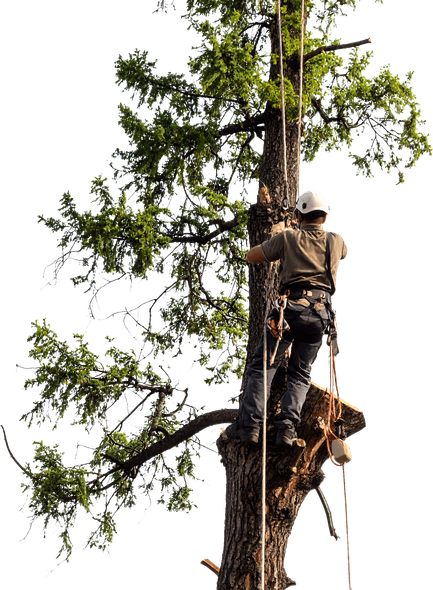
Safe tree extraction techniques are essential for guaranteeing the safety of the crew and limiting harm to adjacent areas. Expert tree specialists conduct a comprehensive evaluation of the state of the tree, where it is situated, and the surrounding environment before beginning the felling process. They utilize specialized equipment, such as chainsaws and rigging gear, to guarantee precise cuts and control during the felling process.
A thoughtful felling approach includes identifying potential hazards, such as nearby buildings or utility lines, which can impact the safety of the operation. Tree specialists frequently employ a method known as "sectional dismantling," in which the tree is removed in manageable pieces, lessening the hazard posed by dropping wood.
Furthermore, professionals comply with municipal guidelines to guarantee compliance and ecological responsibility. After the removal, thorough clearing and removal of the tree debris, including stump grinding, contribute to the overall safety and look of the landscape.
Planting and Transplanting Trees
The process of tree establishment demands close attention of site selection and planting techniques to guarantee long-term health and growth. The right location can greatly impact a tree's development, while proper planting methods minimize stress and encourage the tree to thrive. Tree specialists highlight these elements as critical for improving the strength and endurance of trees in any landscape.
Choosing the Right Location
Selecting an appropriate site for planting or transplanting trees is vital for their sustained health and success. Considerations including soil quality, sunlight exposure, and water flow needs careful consideration. Tree care professionals evaluate the location's features, to guarantee that the planting location offers sufficient nourishment and stability for the specific tree type. In addition, the closeness to current buildings and neighboring vegetation is vital to prevent competition for resources and prevent possible harm. Experts must also evaluate the tree’s maximum height and width and root structure, guaranteeing enough area for development. Through a comprehensive site evaluation, these experts help clients reach educated conclusions that encourage strong, successful trees, thereby improving the landscape’s visual appeal and natural benefits.
Best Practices for Planting
When the planting spot is meticulously reviewed and picked, the following action is employing ideal planting techniques for trees. Preparing the planting hole correctly is crucial; it should be twice the width of the root ball and the same depth as the root ball. It is necessary to set the tree in the hole so that the top of the root ball is level with the existing grade. Refill using the original dirt, ensuring there are no air pockets, and water thoroughly to encourage early root growth. Applying mulch at the bottom assists in keeping water in and keep weeds down. Florence Arborist. For transplanting existing trees, it is crucial to limit damage to the roots and relocate the plant in its resting phase for the best chance of survival. Implementing these practices fosters healthy growth and longevity
Arborist Action Following Severe Weather

When major tempests hit, the aftermath can leave trees in hazardous situations, endangering structures and security. Professional arborists play a vital role in crisis management, assessing trees harmed by the storm to determine their stability and health. Their knowledge enables them to determine which trees are recoverable and which are serious, instant risks that must be removed.
Armed with the right gear, arborists can safely prune broken branches and clear debris, preventing subsequent injury to nearby locations. They also provide valuable advice on precautionary steps, such as choosing sturdy types of trees for future planting.
In addition to immediate response, arborists help homeowners understand the potential long-term effects of storm damage, giving counsel on how to repair and revive. By responding rapidly and capably, professional arborists not only protect property but also contribute to the restoration of the local environment after severe storms.
Nutritional Support and Ground Care
In the wake of storm damage, focus shifts to the well-being of the trees that remain, highlighting the significance of nutritional support and soil management. A qualified tree expert assesses ground quality and tree health to determine specific nutritional needs. Trees need vital elements, including nitrogen, phosphorus, and potassium, to bounce back and flourish after stress events.
Ground care is crucial for nutrient availability and root development. Arborists may recommend soil amendments, including organic matter, to improve soil structure and the action of microorganisms. The correct pH balance are also assessed, as they affect nutrient uptake.
Incorporating mulching techniques can help the soil hold water and prevent weed growth, making a suitable condition for trees to heal. Through the creation of a comprehensive nutrient strategy and applying successful ground care techniques, arborists guarantee trees recover their vigor, resilience, and total well-being, a factor essential to keeping the environment stable following ecological disruptions.
Common Queries
How Often Should I Have My Trees Inspected?
Trees should be checked annually for maximum vitality. Nevertheless, more frequent evaluations could be needed for younger trees, after severe weather events, or if they show signs of stress or sickness.
What Qualifications Should I Look for in an Arborist?
When seeking an arborist, one should look for credentials such as ISA (the ISA) accreditation, proven track record, insurance coverage, and a good standing within the community, ensuring expertise in arboriculture and safe procedures.
Do Arborists Utilize Special Equipment for Tree Care?
Arborists use various specialized tools for tree care, including chainsaws, pruning shears, climbing gear, and stump grinders. Each tool serves a specific purpose, facilitating good care, pruning, and removal of trees while promoting overall health and safety.
In What Ways Does the Weather Impact Tree Health?
Weather conditions greatly impact tree health; too much water often causes root rot, while dry spells put strain on trees. Extreme temperatures may cause damage to leaves and branches, in turn harming growth, sturdiness, and general health of the trees.
Can I Perform Tree Care Myself, or Is it better to hire an expert?
Even though a few fundamental tree care duties can be performed by individuals, calling in a specialist is frequently the best option - Florence Arborist. Specialists are equipped with unique expertise and gear, which guarantees the trees get the proper care necessary for peak growth and vitality